





FRAGMENTS OF NATURE
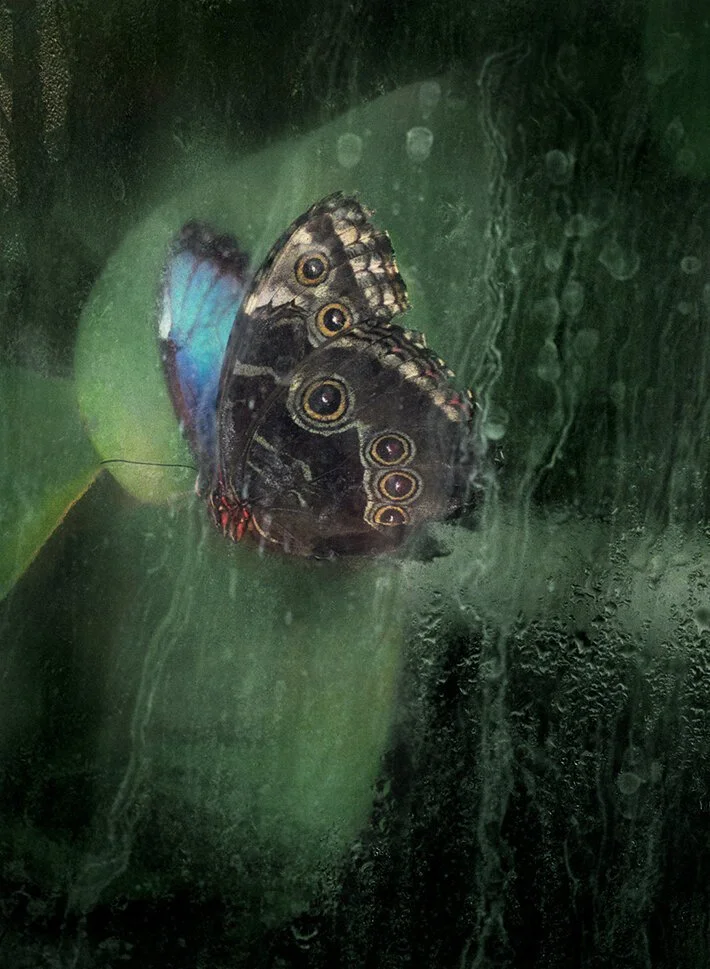
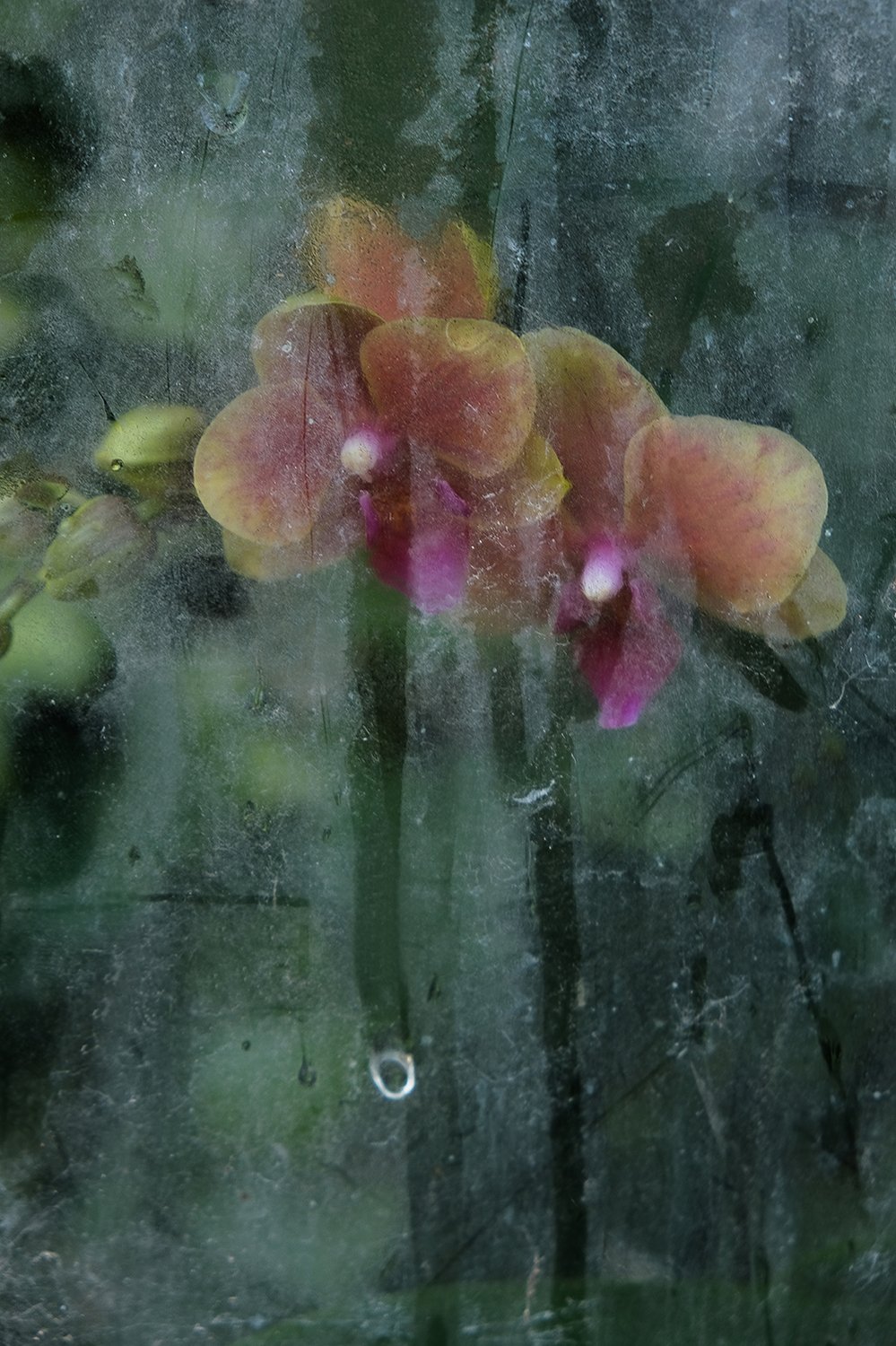
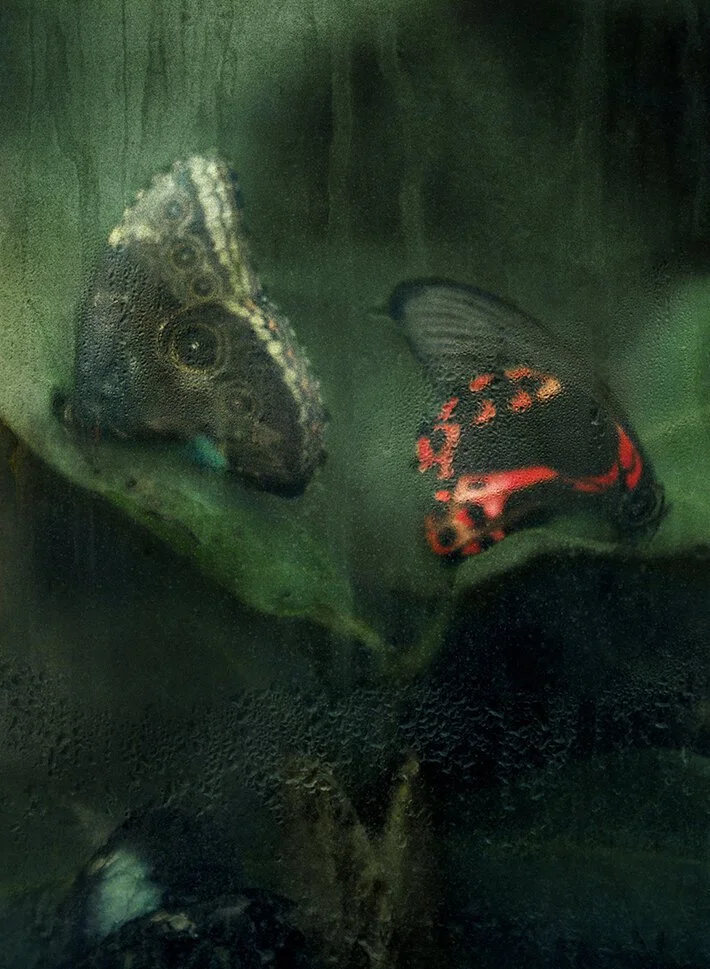
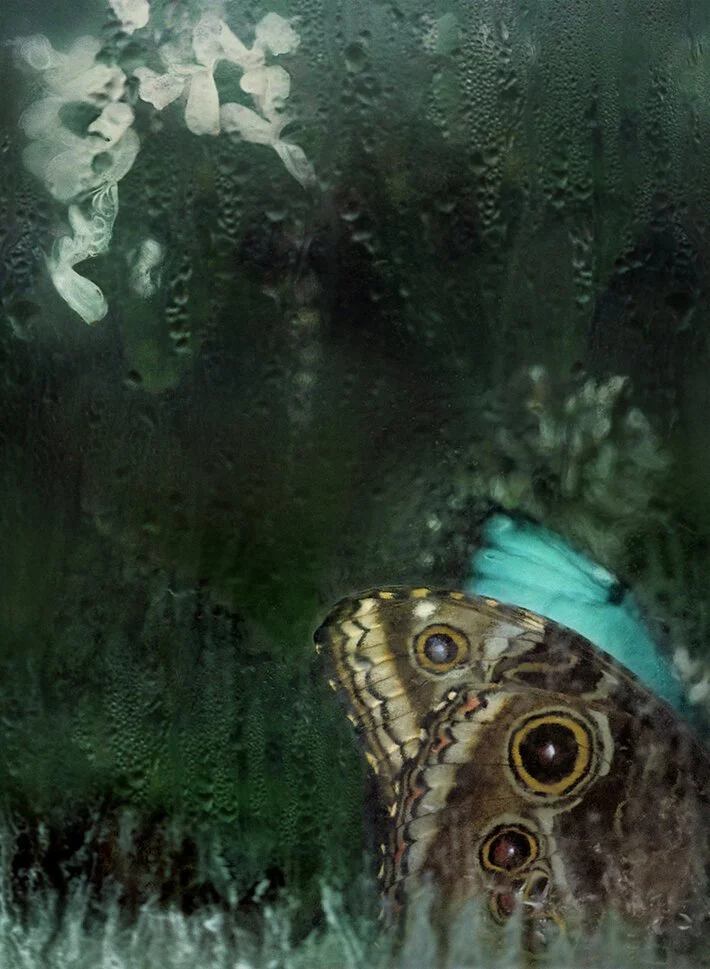
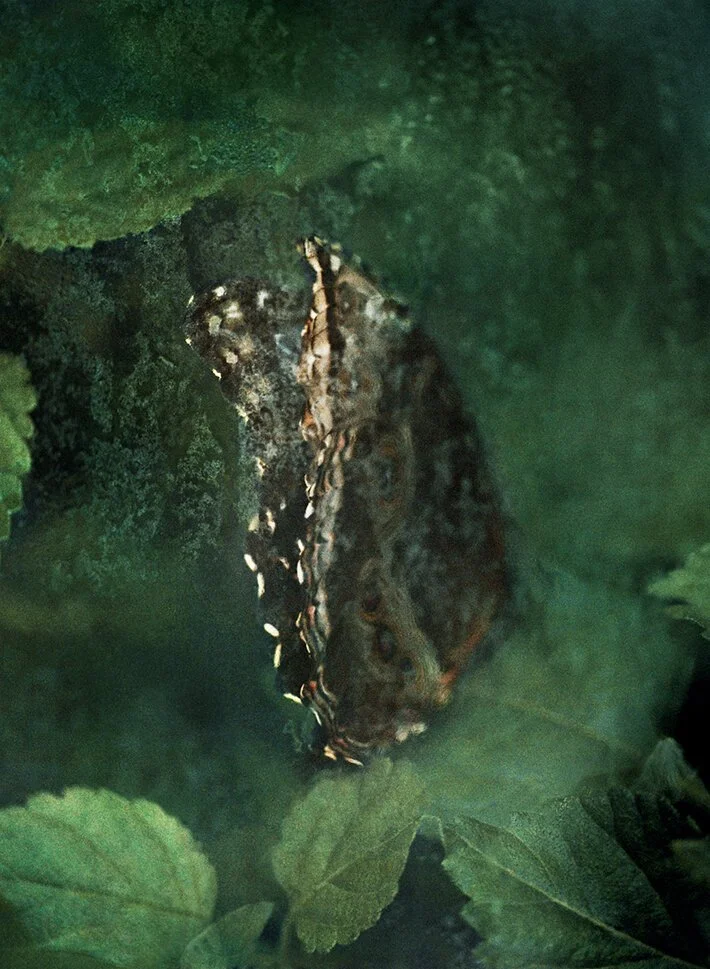
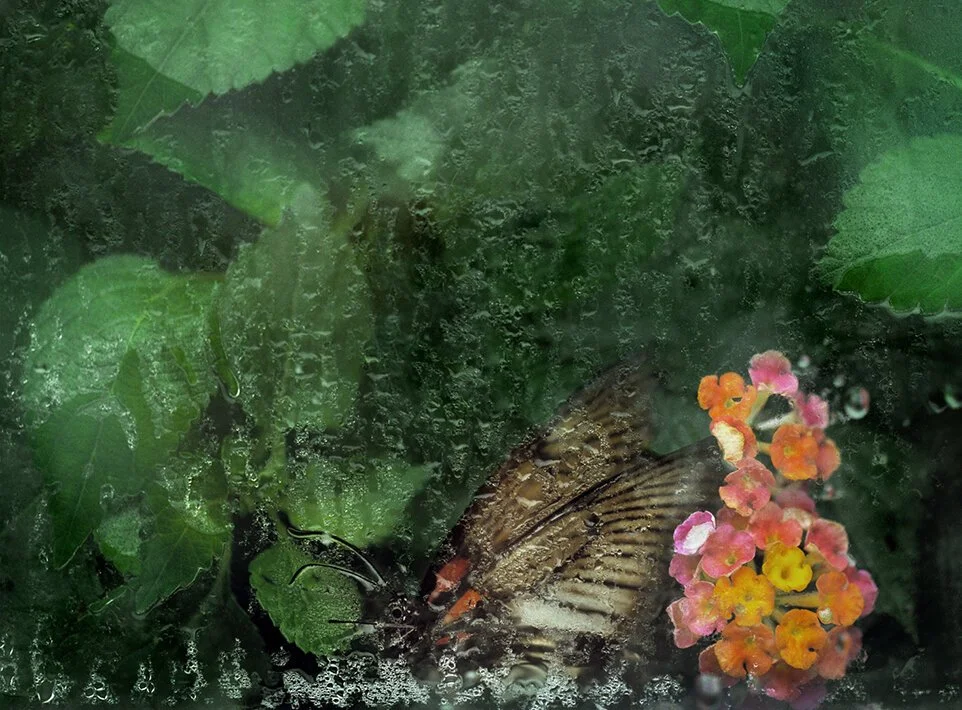
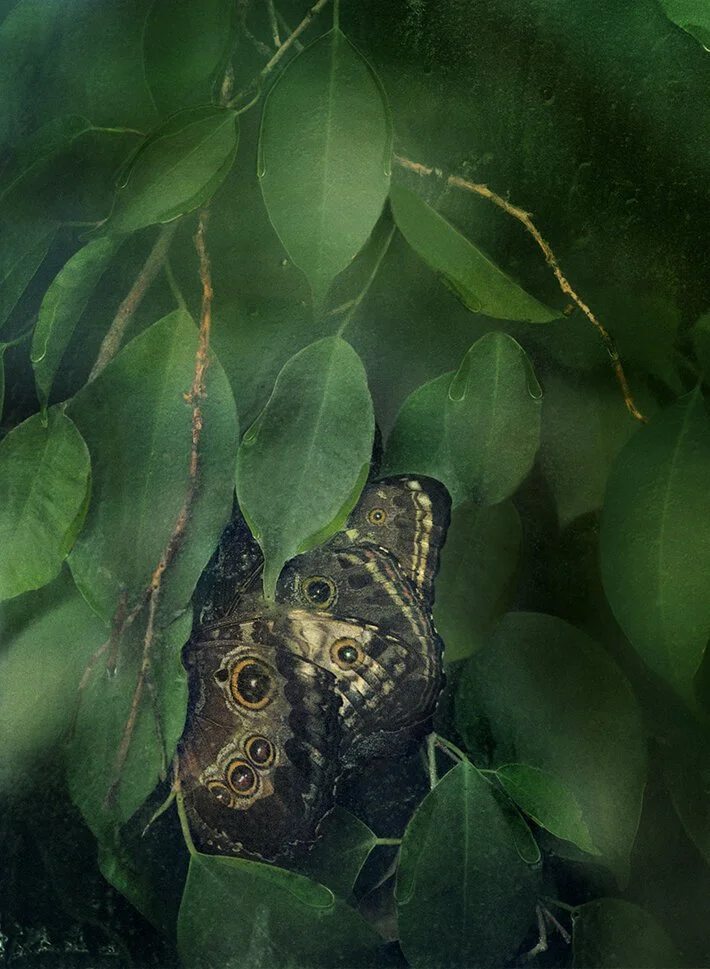
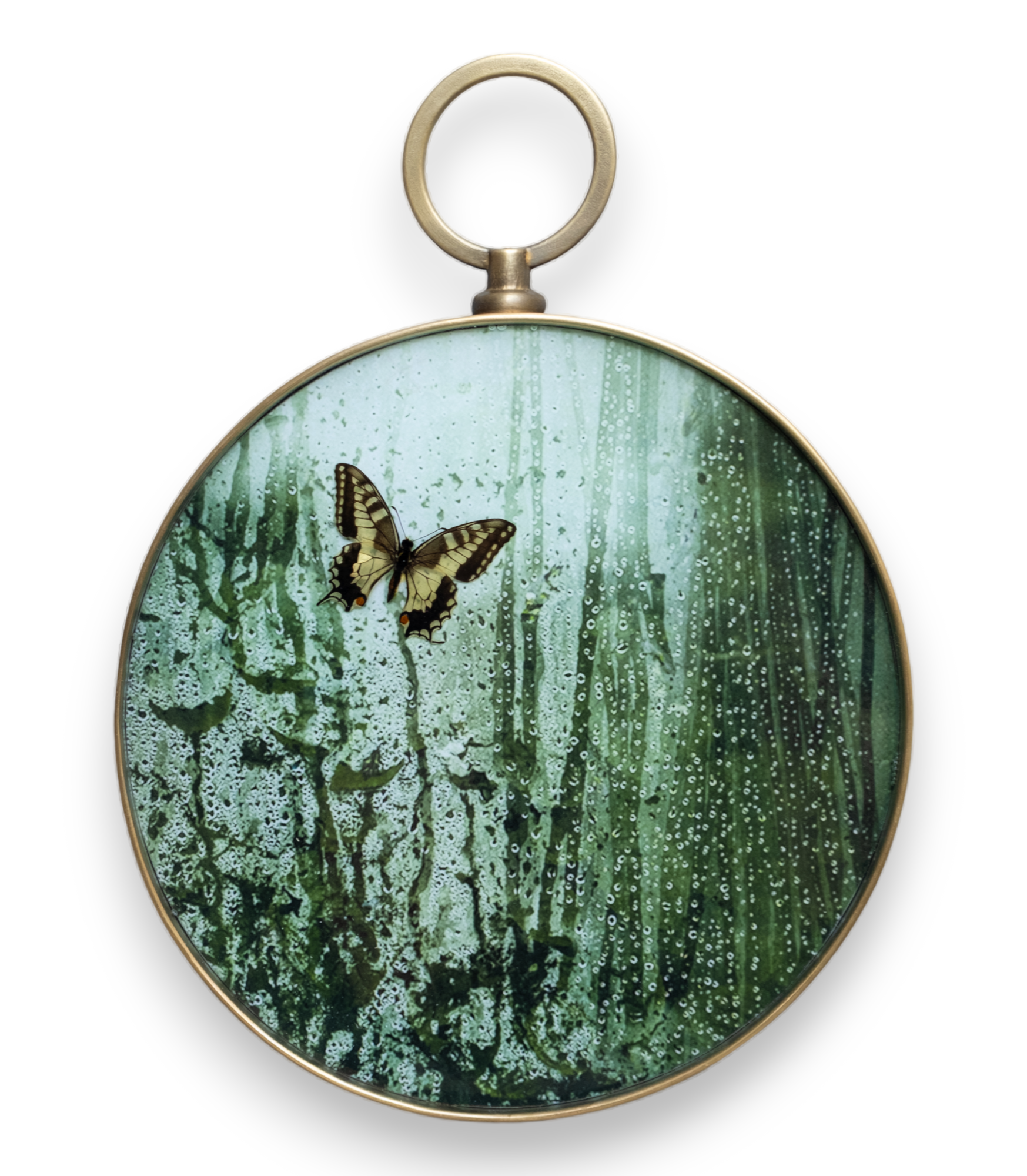
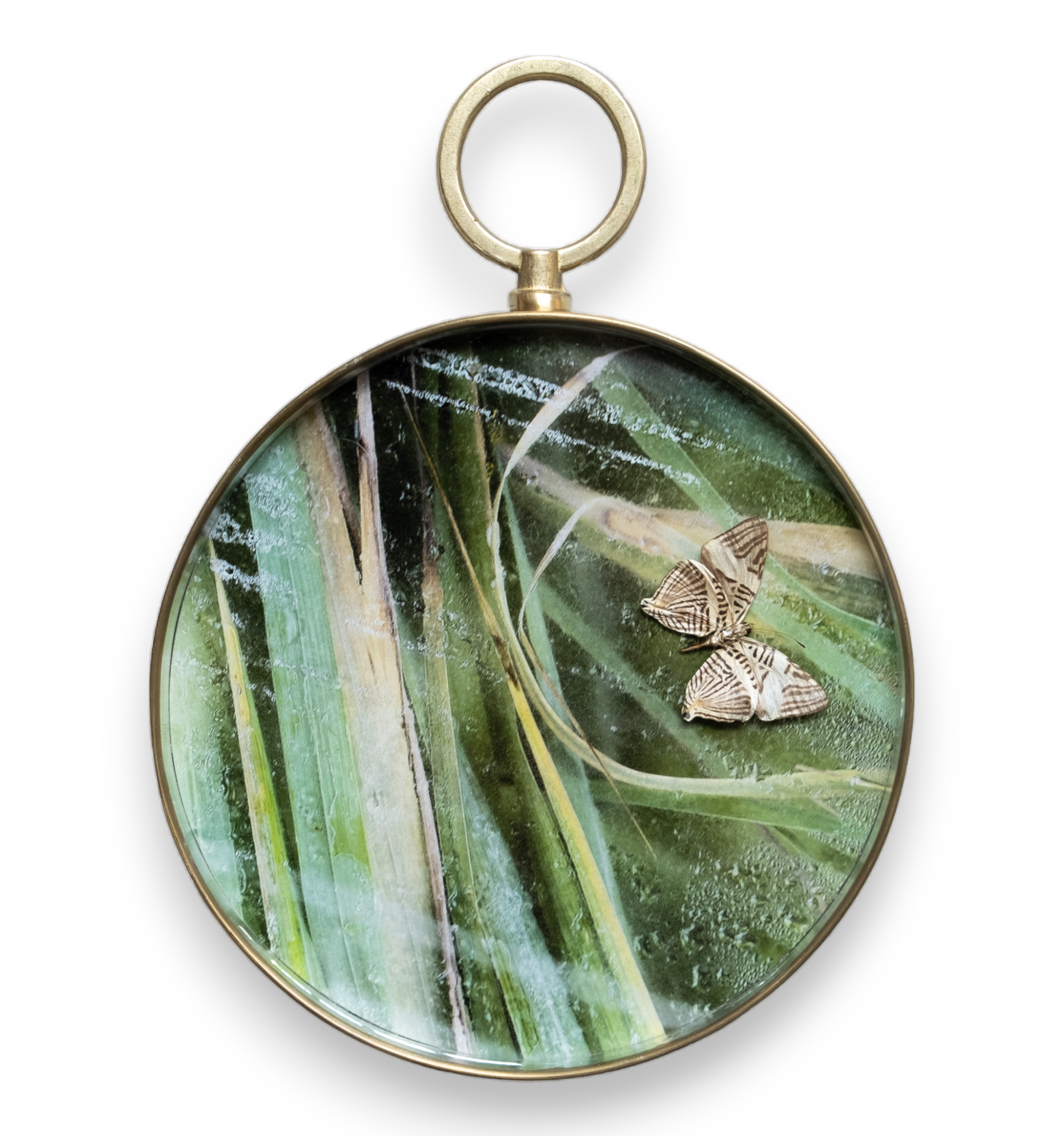
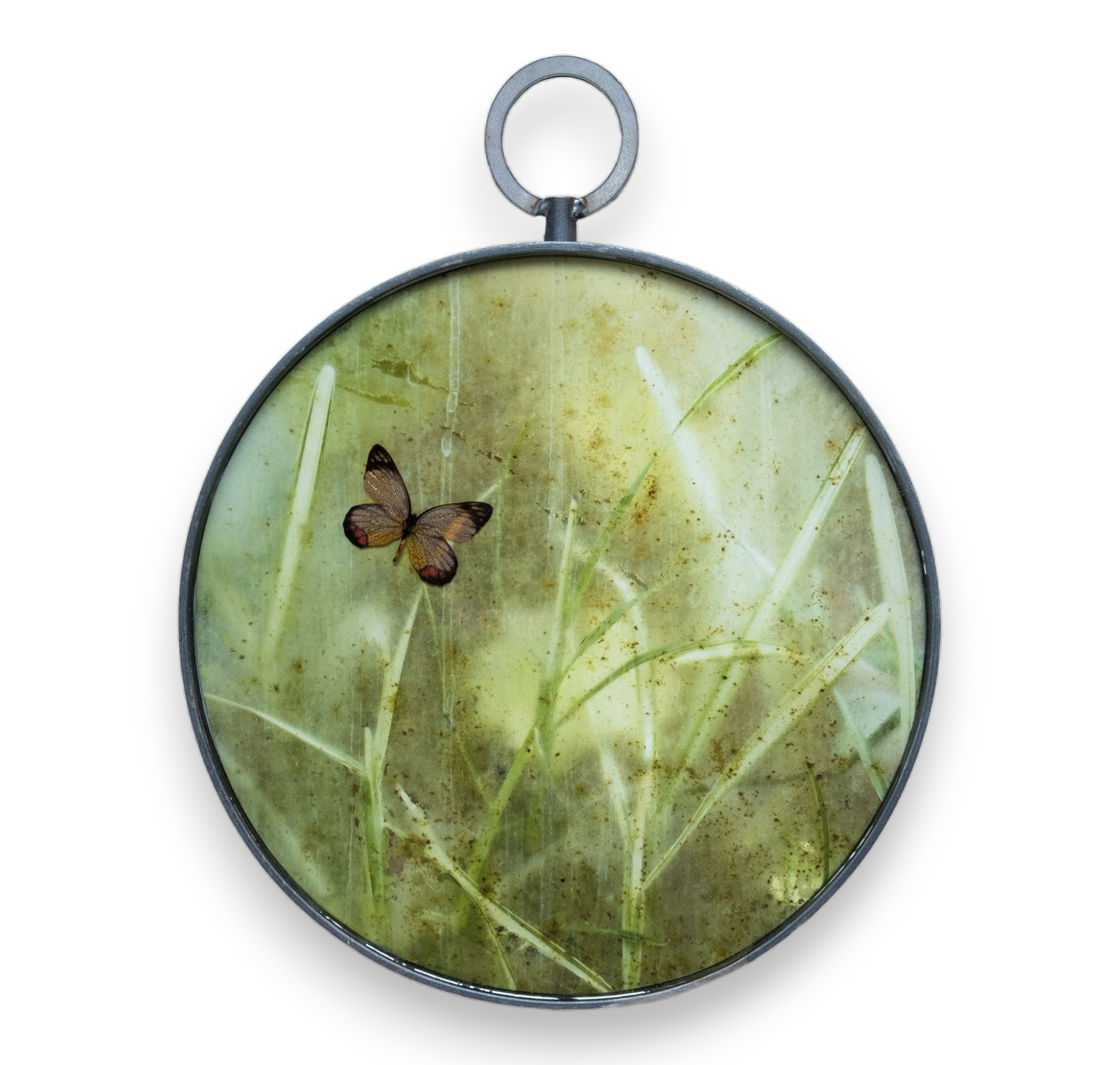
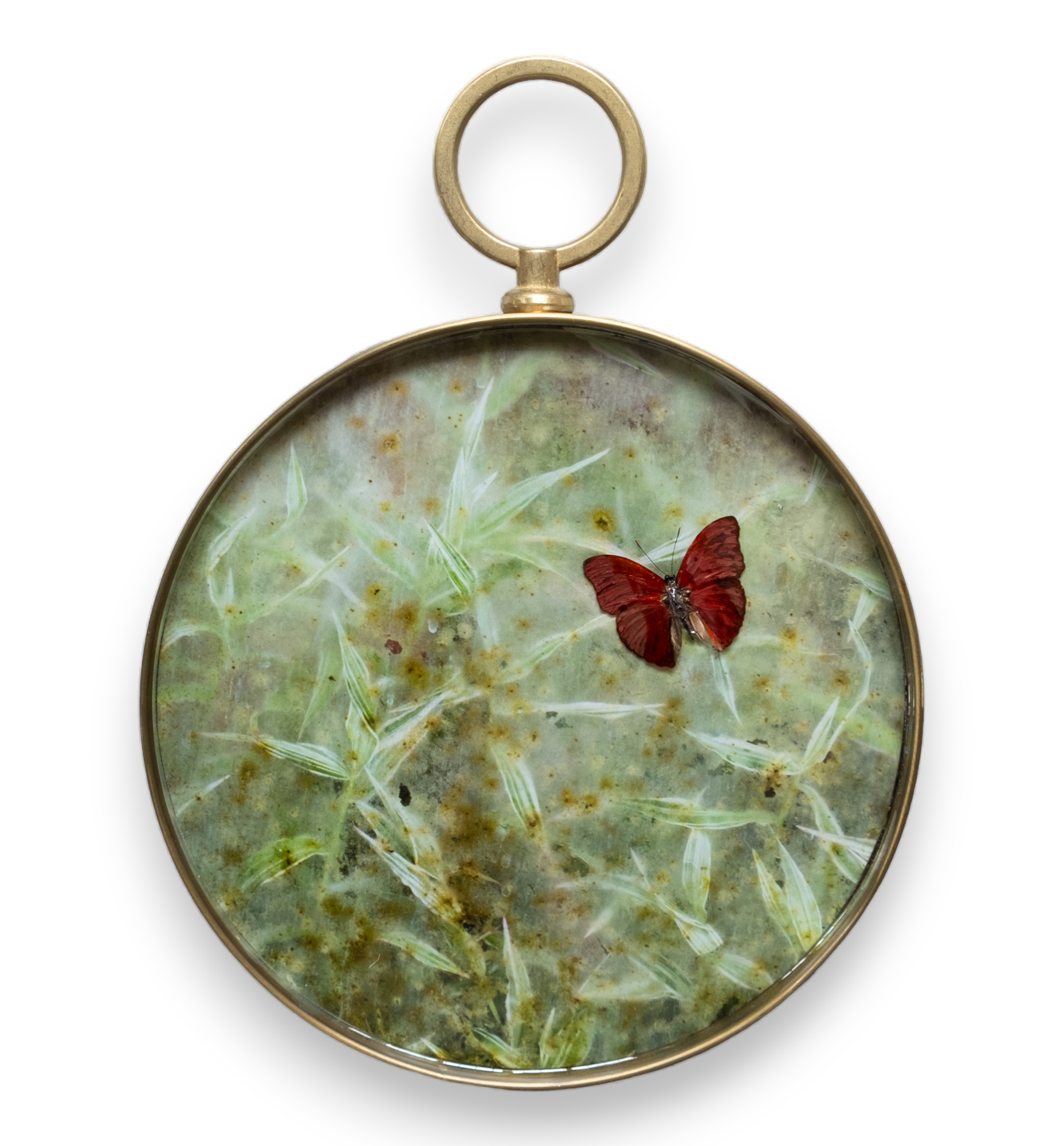
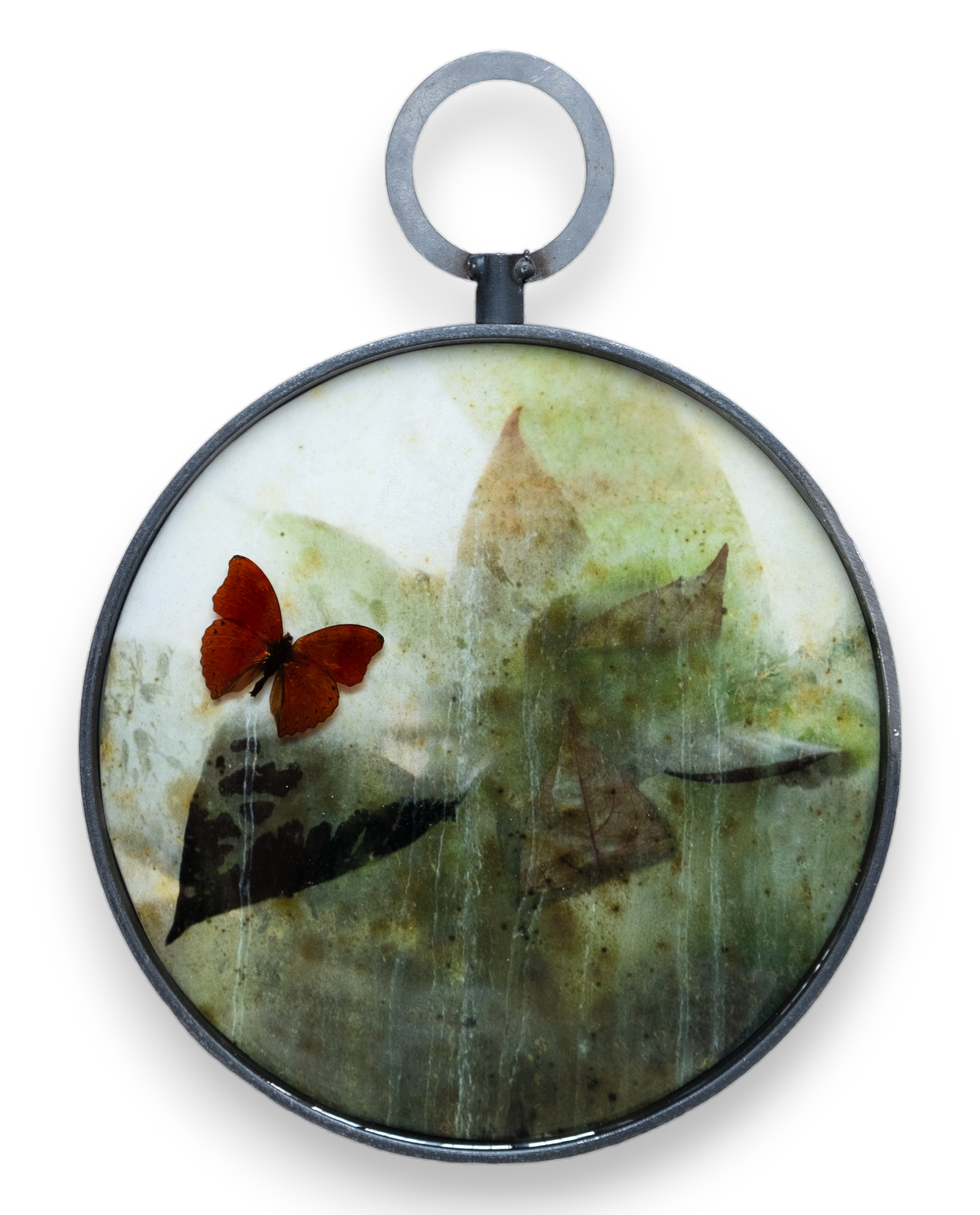
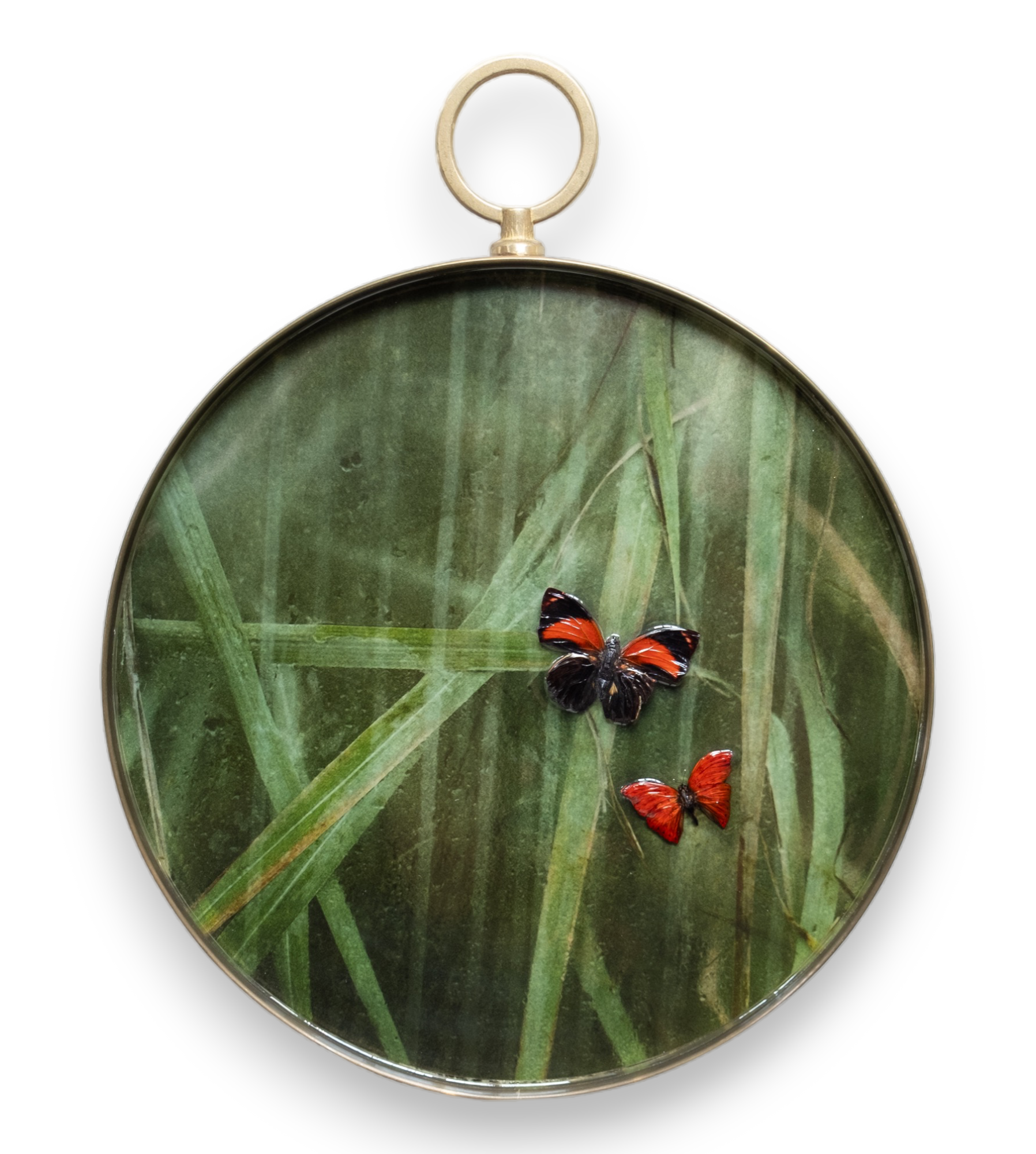
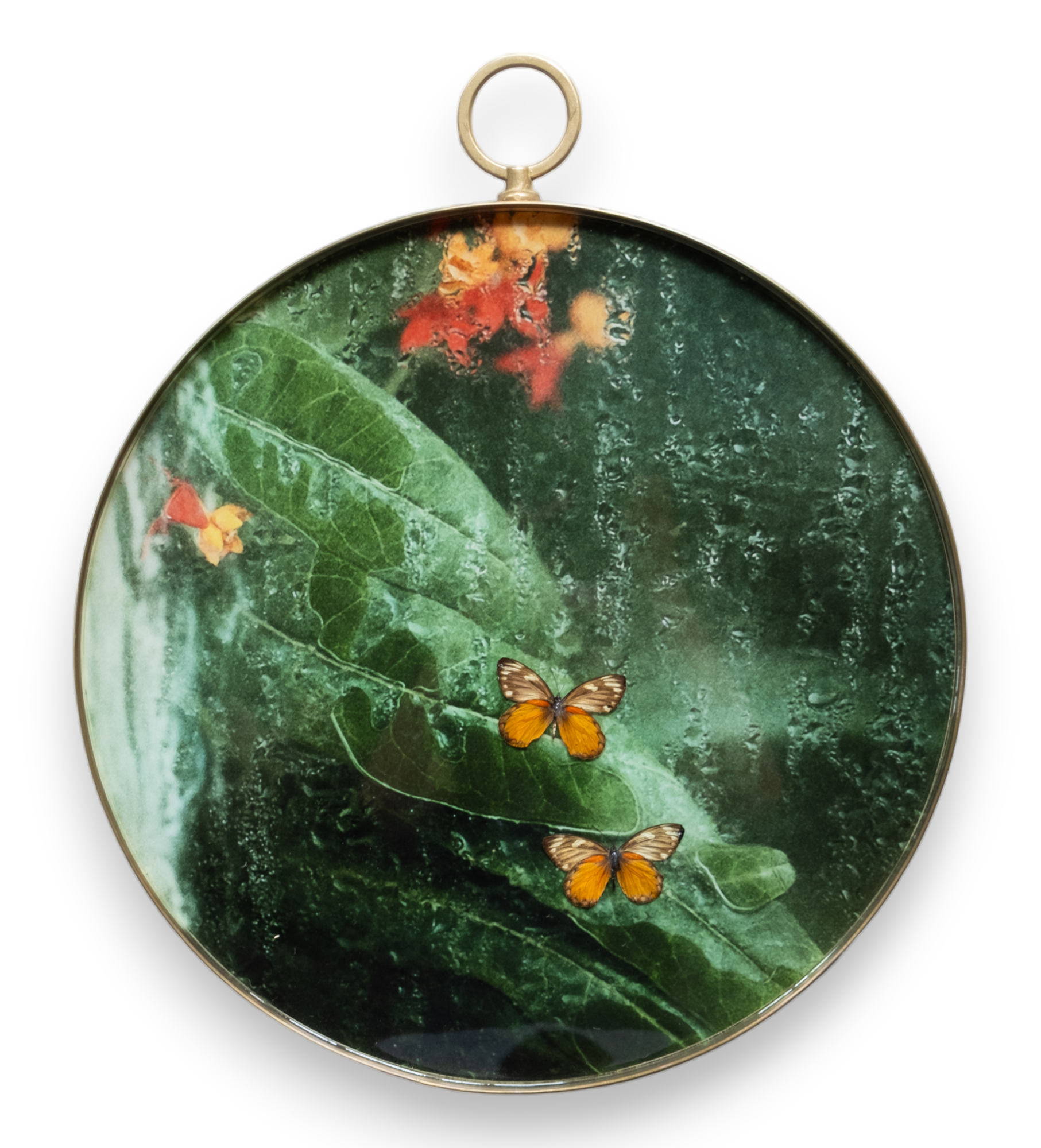
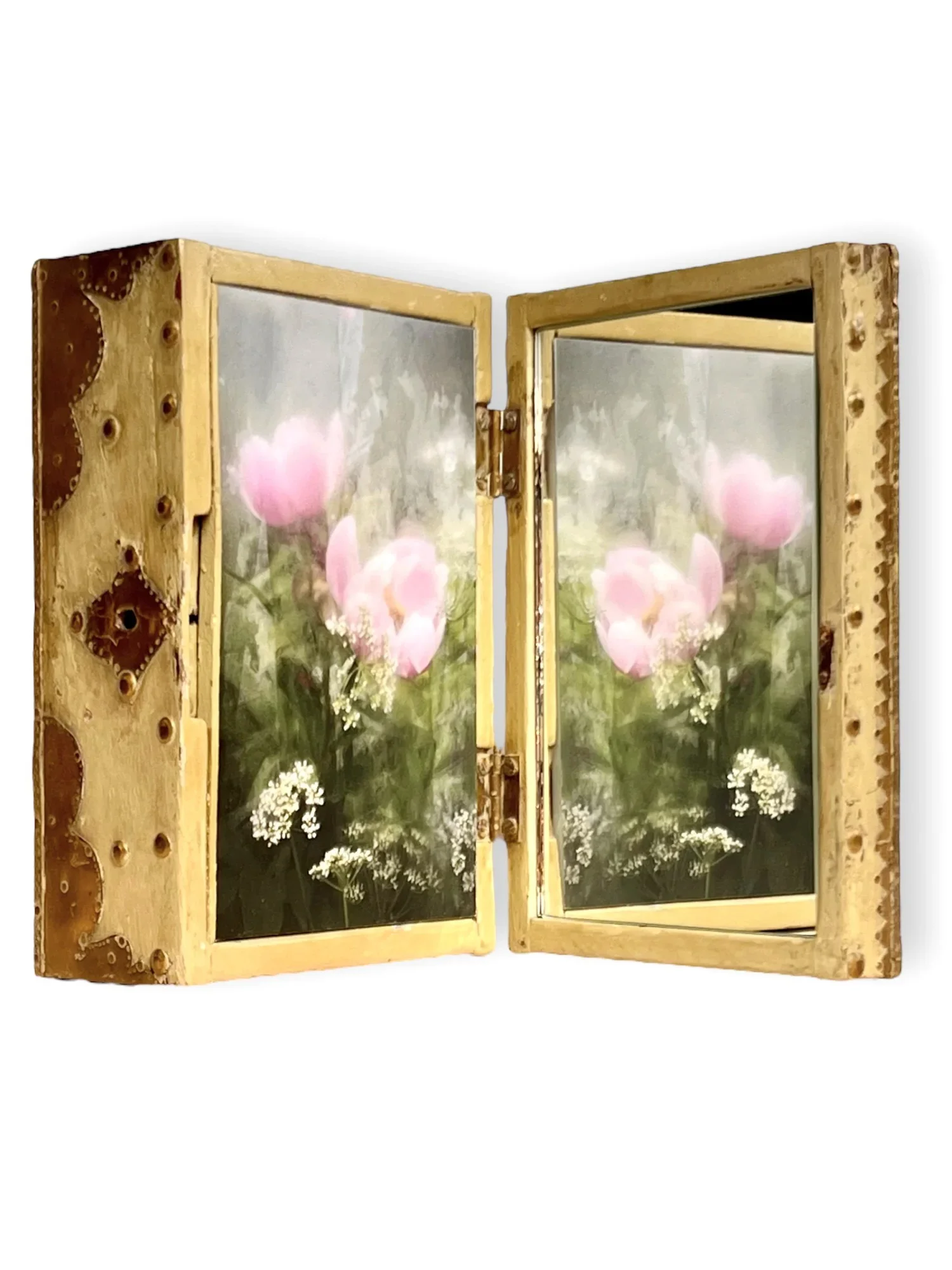
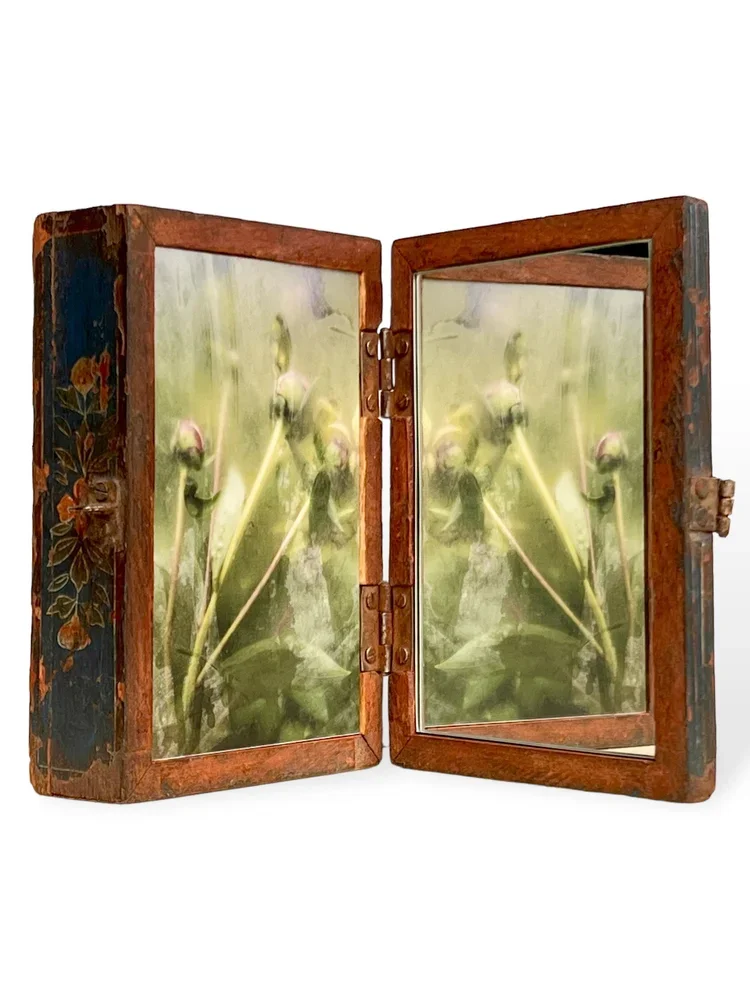
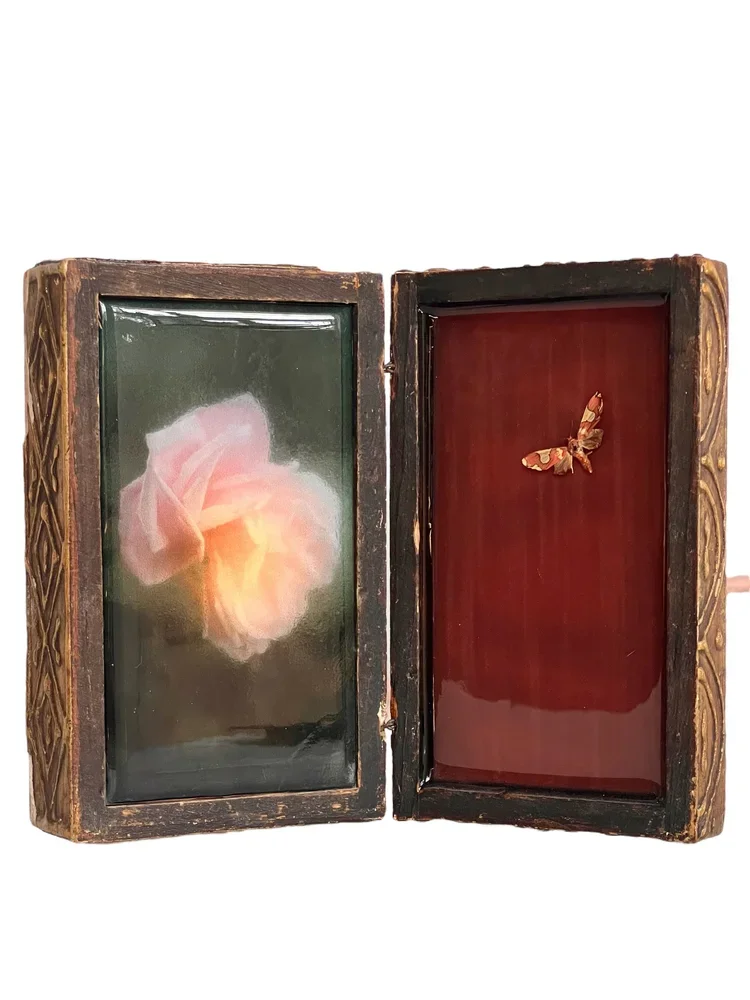
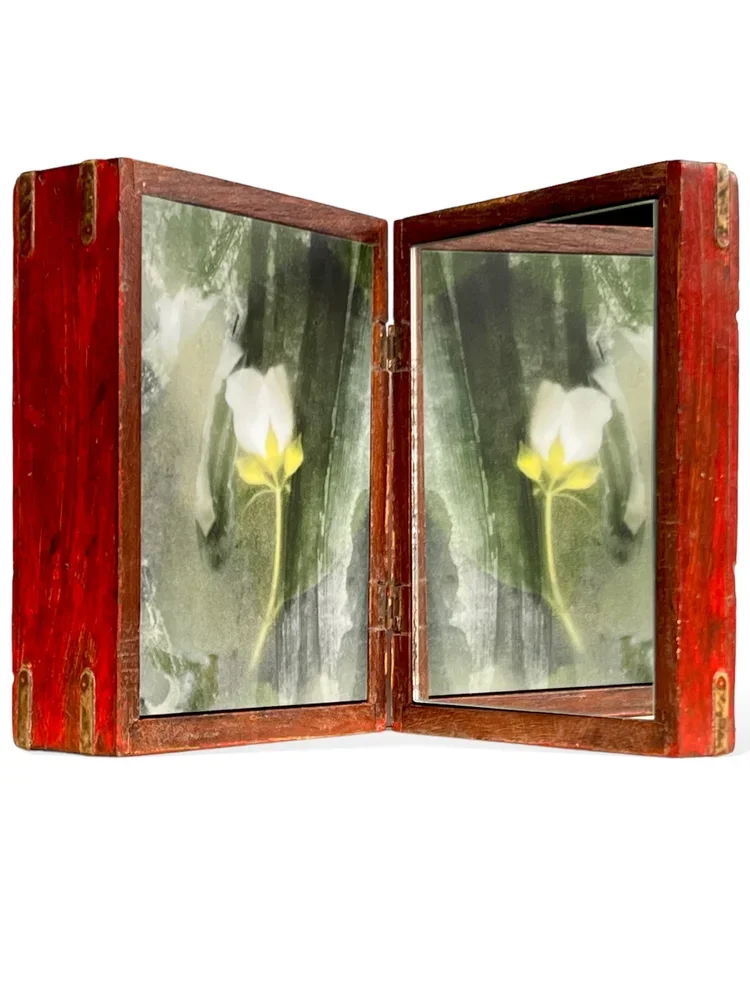
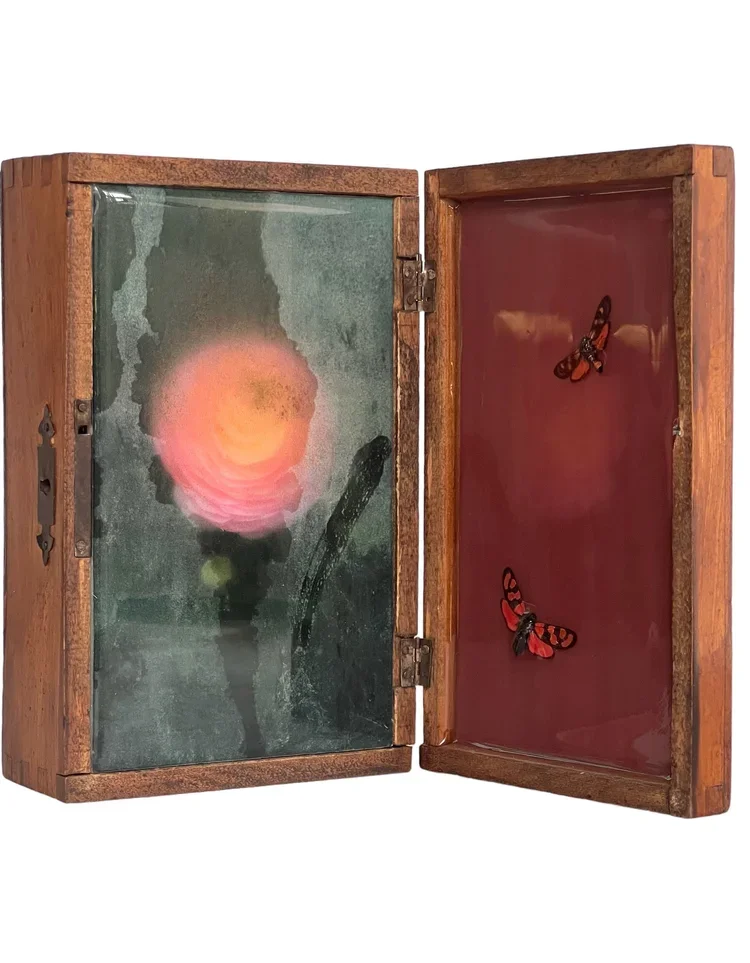
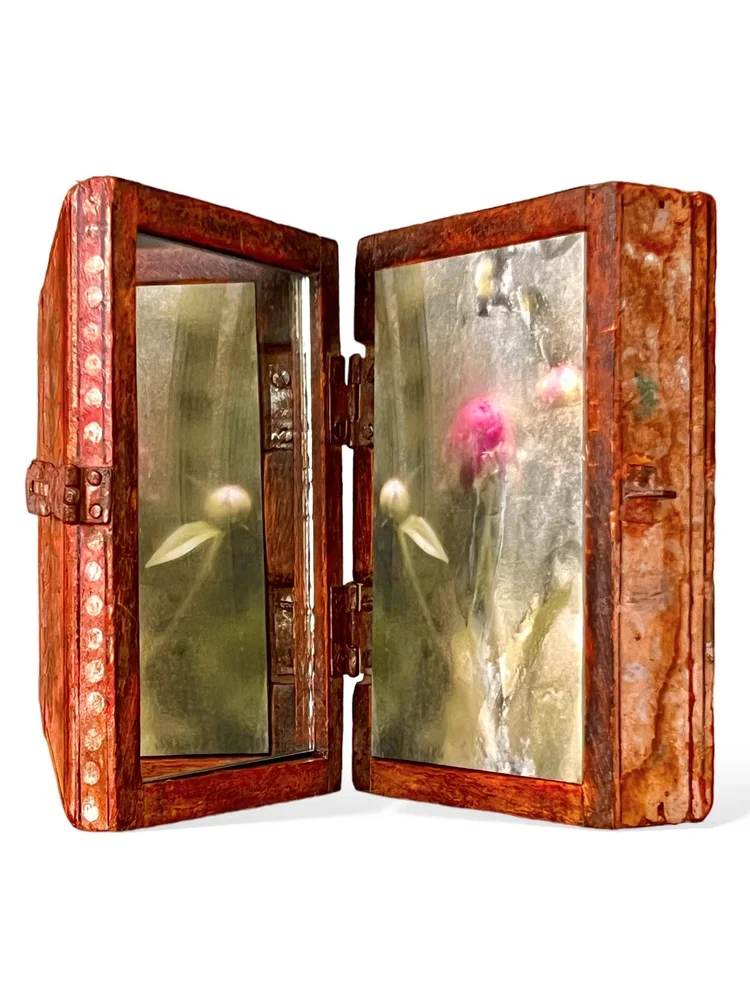
Caroline Gavazzi’s work belongs to a photographic practice that does not merely depict nature, but assumes a symbolic responsibility toward it: to protect it, to acknowledge its value, and to restore its centrality. Her research unfolds as a single coherent body of work in which the image is not simply an aesthetic device, but an act of attention. The artist establishes an intimate relationship with the living world, approaching it not as landscape but as a fragile and precious presence, one that must be observed with discretion and preserved. The conceptual core of the project revolves around the notion of custody: to hold in care is to offer time, space, and protection; it is to retain without possessing, to welcome without invading. Within this framework, photography becomes a protective site, a threshold of proximity that allows one to come close to nature without consuming it. The images appear as fragments of a poetic ecosystem: greenhouses, vegetation, transparencies, and layers of light. The mediation of light and transparent surfaces is not merely a formal element, but a declaration of intent: what is delicate deserves the right distance, a respectful visual field, and time for contemplation. Gavazzi works through subtraction and intensification. She subtracts the rhetoric of landscape and the spectacle of the “image-as-event,” choosing instead the density of detail, the intimacy of vegetal matter, and atmospheric suspension. At the same time, she intensifies color until it becomes an emotional language and a sculptural energy. Vegetation emerges not as decoration but as a complex organism, pulse, texture, memory. Through this process, the image gradually detaches itself from documentary intent and becomes a sensorial experience, where nature is perceived as a force in transformation.The butterfly, recurrent and profoundly symbolic, does not introduce narrative, but a principle: metamorphosis. As an emblem of lightness and transience, it functions as a sign of continuity within the life cycle and as an invitation to recognize what is at risk of disappearing. Metamorphosis thus becomes a curatorial key for the entire project: not merely a transition from one image to another, but an internal transformation of the work itself.In this sense, Gavazzi’s research moves beyond the limits of the print to expand toward objecthood and space. Photography acquires body, thickness, and presence: material is not a neutral support, but an integral part of the discourse. The image is preserved, sealed, and elevated as a luminous trace, almost as if it were a specimen to be safeguarded. This evolution into three-dimensional forms,protected microcosms, display cases, dense surfaces, operates not as mere installation, but as a poetic statement: nature is literally “kept safe,” transformed into an icon that is both fragile and enduring.
Fragments of Nature is therefore a single project that proposes an ethical vision of photography: a language capable of slowing down the gaze, of generating attention, and of restoring dignity to the living world. At a time when nature is constantly exposed, consumed, and simplified, Gavazzi constructs an opposite gesture: to preserve its complexity, protect its beauty, and affirm its value..
Frammenti di Natura Il lavoro di Caroline Gavazzi si inscrive in una pratica fotografica che non si limita a rappresentare la natura, ma ne assume la responsabilità simbolica: proteggerla, riconoscerne il valore, restituirle centralità. La sua ricerca si sviluppa come un unico corpo coerente in cui l’immagine non è soltanto un dispositivo estetico, bensì un atto di attenzione. L’artista costruisce una relazione ravvicinata con il vivente, affrontandolo non come paesaggio, ma come presenza fragile e preziosa, da osservare con discrezione e da preservare.Il nucleo concettuale del progetto ruota intorno alla nozione di custodia: custodire significa dare tempo, spazio e cura; significa trattenere senza possedere, accogliere senza invadere. In questa prospettiva, la fotografia diventa un luogo protettivo, una soglia di prossimità che consente di avvicinarsi alla natura senza consumarla. Le immagini si dispongono come frammenti di un ecosistema poetico: serre, vegetazioni, trasparenze, stratificazioni luminose. Il filtro della luce e delle superfici trasparenti non è un semplice elemento formale, ma una dichiarazione di intenti: ciò che è delicato merita una distanza giusta, un campo visivo rispettoso, un tempo di contemplazione. L’artista lavora per sottrazione e per intensificazione. Sottrae la retorica del paesaggio e dell’ ‘immagine spettacolo’, scegliendo invece la densità del dettaglio, l’intimità della materia vegetale, la sospensione atmosferica. Allo stesso tempo intensifica il colore, fino a trasformarlo in linguaggio emotivo e in energia plastica. La vegetazione appare non come decorazione, ma come organismo complesso: pulsazione, trama, memoria. In questo processo l’immagine progressivamente si emancipa dalla dimensione documentaria per diventare esperienza sensibile, dove la natura è percepita come forza in metamorfosi.La farfalla, presenza ricorrente e altamente simbolica, non introduce un elemento narrativo, bensì un principio: quello della trasformazione. Emblema di leggerezza e transitorietà, la farfalla agisce come segno di continuità del ciclo vitale e come invito a riconoscere ciò che rischia di scomparire. La metamorfosi diventa così una chiave curatoriale del progetto: non un passaggio da un’immagine all’altra, ma una trasformazione interna dell’opera stessa. In tal senso, la ricerca di Gavazzi supera il limite della stampa per estendersi verso l’oggetto e lo spazio. La fotografia assume corpo, spessore e presenza: la materia non è supporto neutro, ma parte integrante del discorso. L’immagine viene conservata, sigillata, valorizzata come traccia luminosa, quasi fosse un reperto da salvaguardare. Questa evoluzione verso forme tridimensionali, microcosmi protetti, teche, superfici dense, non funziona come semplice allestimento, ma come dichiarazione poetica: la natura viene letteralmente ‘messa al sicuro’, trasformata in icona fragile e insieme resistente.
Frammenti di Natura è dunque un unico progetto che propone una visione etica della fotografia: un linguaggio capace di rallentare lo sguardo, di creare attenzione, di restituire dignità al vivente. In un tempo in cui la natura viene continuamente esposta, consumata e semplificata, Gavazzi costruisce invece un gesto opposto: conservarne la complessità, proteggerne la bellezza, affermarne il valore..




THE GUARDIAN OF THE SOUL
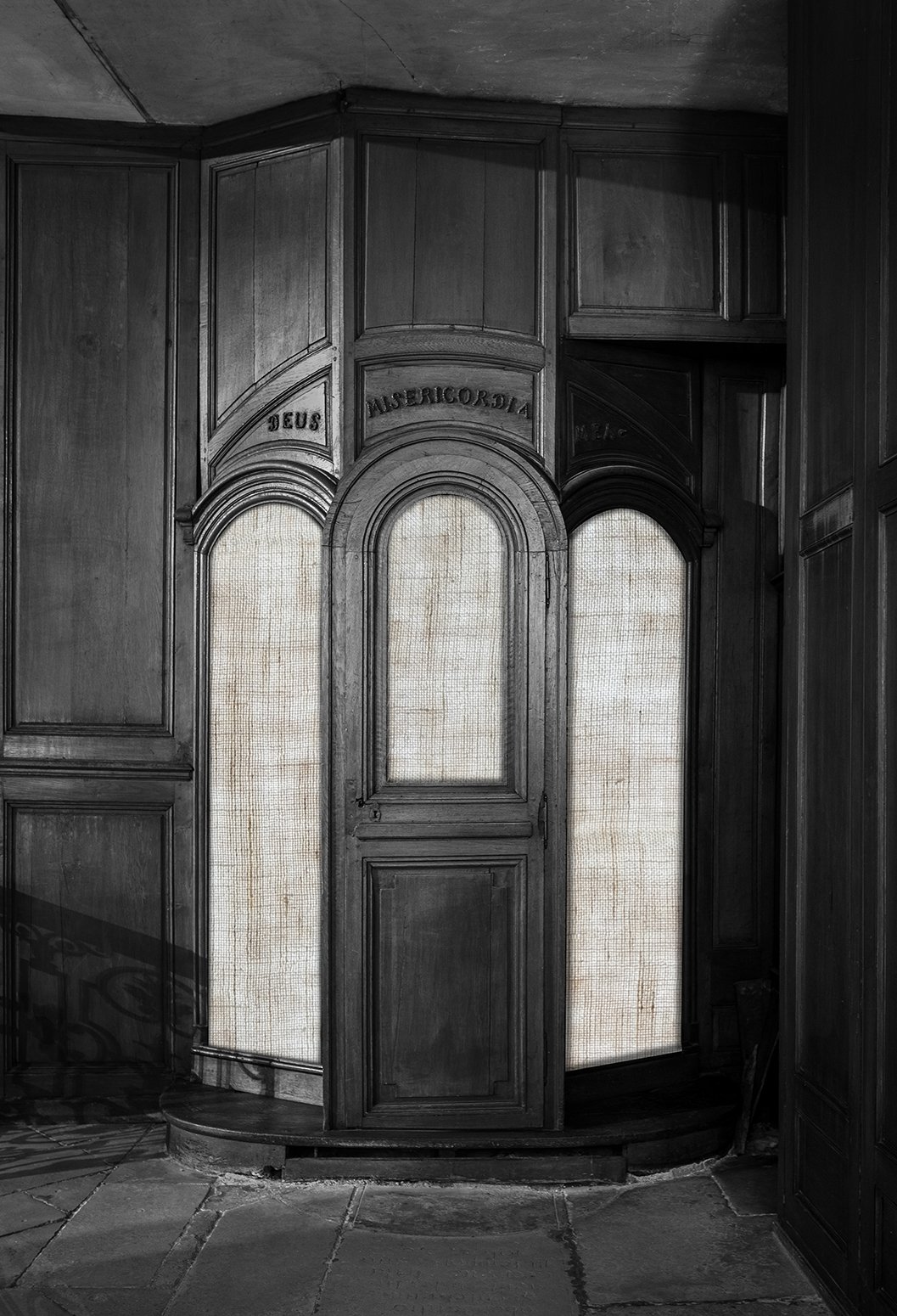
Caroline Gavazzi has ventured around the world, taking black and white photographs of confession boxes, both simple and ornate, connecting vast geographical spaces, uniting past and present, and discovering a universal impulse in holding private dialogue. The artist’s intention is not to evoke a religious perspective when observing the art works, but rather to focus on the universal human desire within each of us to express ourselves with confidence and privacy. The confessional boxes thus becomes a container for dialogue, an intimate and safe space where the weight of the soul is released. The artist interpretation connects to the past,when confession was not only a religious act but also a moment of introspection and emotional relief. It was a place of listening, where the priest acted as a confidant - a role that today is more commonly associated with a psychologist. Over time, the confession box has become obsolete, yet it remains a witness to history, a container of memories that preserves the traces of human experience. In both cases, dialogue becomes a tool to extract what is hidden within, to lighten oneself, and to reveal oneself. Gavazzi has not merely recorded the images but intervened in them, making strategic use of linen – the oldest textile fibre – to operate partly as a semi-permeable membrane for the two voices involved, but also, in its lightness and purity, to represent a protective seal.The artworks is then lighted directed from the inside. The effect is to illuminate the space for speaking and listening, intimacy and reflection. The light is warm, evocative of softness, stillness. The wood with which the light interacts, is charged with personal memories and embodies a collective history. While each confessional has is own personality, what is common to each box is theire unique architecture and the notion of silence transformed into meaningful utterance, a response to the demand to be heard. In art works such as Out of the Box and Fear, Gavazzi explores the delicate balance between what remains hidden and what is revealed, interrogates the boundary between inside and outside. For all the inwardness and introspection articulated in the confession box, Gavazzi also reimagines it as a space for expression, where words are spoken freely but remain safeguarded in a space that is both physically and internally secure. It is a place of public protection and private exposure, a safe space for personal revelations. It is a symbol of interiority and an external sign of revelation, a screen onto which the deepest secrets of our psyche are projected. In short, it materially embodies our fears and desires.The artist suggests that dialogue, in all its forms, remains an essential means of liberation, of healing, of self-recognition and ultimately self-discovery. The box she opens and lights up is the box within ourselves, and despite the weight of mysteries contained within, the silent voices she releases rise to sing above us in a chorus of liberation.
Caroline Gavazzi esplora diversi luoghi, cattura in bianco e nero immagini di confessionali, sia semplici che ornati, mettendo in connessione spazi geografici lontani, unendo passato e presente e rivelando un impulso universale al dialogo intimo e privato. L’intento dell’artista non è suscitare una prospettiva religiosa nell’osservatore, ma piuttosto mettere in luce il desiderio umano, comune a tutti, di esprimersi con fiducia e riservatezza. Il confessionale diventa così un contenitore di dialogo, uno spazio intimo e sicuro in cui alleggerire il peso dell’anima. L’interpretazione dell’artista si ricollega al passato, a quando la confessione non era solo un atto religioso, ma anche un momento di introspezione e sollievo emotivo. Era un luogo di ascolto, dove il sacerdote assumeva il ruolo di confidente—un ruolo che oggi è più spesso associato a quello dello psicologo. Nel tempo, il confessionale ha perso la sua funzione originaria, diventando quasi obsoleto, ma resta comunque un testimone della storia, un contenitore di memorie che conserva le tracce dell’esperienza umana. In entrambi i casi, il dialogo si configura come uno strumento per portare alla luce ciò che è nascosto, alleggerirsi e rivelarsi. Gavazzi non si limita a documentare queste immagini, ma interviene attivamente su di esse, facendo un uso strategico del lino—la fibra tessile più antica—che diventa una sorta di membrana semi-permeabile tra le due voci coinvolte. Nella sua leggerezza e purezza, il lino rappresenta anche un sigillo protettivo. Le opere sono poi illuminate direttamente dall’interno, creando un effetto che mette in luce lo spazio del dialogo e dell’ascolto, dell’intimità e della riflessione. La luce, calda e morbida, evoca quiete e raccoglimento. Il legno, interagendo con essa, si carica di memorie personali e diventa testimone di una storia collettiva. Ogni confessionale ha una sua personalità, ma ciò che li accomuna è la loro architettura unica e la trasformazione del silenzio in parola significativa, come risposta al bisogno di essere ascoltati. In opere come Out of the Box e Fear, Gavazzi esplora il delicato equilibrio tra ciò che rimane nascosto e ciò che viene rivelato, interrogandosi sul confine tra interno ed esterno. Se il confessionale è tradizionalmente uno spazio di introspezione, l’artista lo reinterpreta anche come luogo di espressione, dove le parole vengono pronunciate liberamente, pur rimanendo protette in un ambiente sicuro, sia fisicamente che interiormente. È uno spazio di protezione pubblica e di esposizione privata, un rifugio per rivelazioni personali. Simbolo di interiorità e, al contempo, di manifestazione esteriore, diventa uno schermo su cui si proiettano i segreti più profondi della nostra psiche. In definitiva, il confessionale materializza paure e desideri. L’artista suggerisce che il dialogo, in tutte le sue forme, resta un mezzo essenziale di liberazione, guarigione, riconoscimento di sé e, infine, scoperta della propria identità. La scatola che Gavazzi apre e illumina è la stessa che custodiamo dentro di noi e, nonostante il peso dei misteri che contiene, le voci silenziose che sprigiona si innalzano in un coro di consapevolezza.


CAROLINE GAVAZZI
Caroline Gavazzi is a Franco-Italian photographer based in Milan. Her experience in the editorial world, working with prestigious publications such as Vogue UK and House & Garden, has provided her with a strong visual foundation, honing her meticulous and perfectionist approach to image making. This background has allowed her to develop a unique sensitivity where discipline and creative freedom converge. Building on this foundation, Gavazzi has gradually shifted her focus toward a more intimate and experimental exploration of photography. Her work addresses universal themes that resonate with both her personal experience and the audience, transforming reality into visual metaphors. Fascinated by the interplay between image and material, she creates three-dimensional photographic installations that play with perception, engaging the viewer in an active and immersive dialogue.The connection between her professional past and artistic journey is evident in her attention to detail and the meticulous construction of her works. Her approach unfolds as an ongoing investigation into the relationship between the visible and the invisible, between protection and revelation, transforming the photographic act into a sensory and conceptual language.
Caroline Gavazzi è una fotografa franco-italiana con sede a Milano. La sua esperienza nel mondo editoriale, lavorando per testate prestigiose come Vogue UK e House & Garden, le ha fornito una solida struttura visiva, affinando il suo approccio meticoloso e perfezionista all'immagine. Questo background le ha permesso di sviluppare una sensibilità unica, dove rigore e libertà creativa si incontrano. Grazie a questa base, Gavazzi ha gradualmente spostato la sua ricerca verso un’esplorazione più intima e sperimentale della fotografia. Il suo lavoro affronta tematiche universali che toccano tanto la sua esperienza personale quanto quella del pubblico, trasformando la realtà in metafore visive. Affascinata dall’interazione tra immagine e materia, realizza installazioni fotografiche tridimensionali che giocano con la percezione, coinvolgendo lo spettatore in un dialogo attivo e immersivo. La connessione tra il suo passato professionale e il suo percorso artistico è evidente nella cura del dettaglio e nella costruzione meticolosa delle sue opere. Il suo approccio si sviluppa come un’indagine continua sul rapporto tra visibile e invisibile, tra protezione e rivelazione, trasformando l’atto fotografico in un linguaggio sensoriale e concettuale.